Gst, Tax Planning And Compliance: What Every Business Owner Should Know
CA in Dwarka: Complete Guide to Chartered Accountant Services Finding the right CA in


Quick Overview: GST compliance, tax planning and timely filing decide whether a business grows without friction or loses money to penalties and rejected input credit. This guide explains GST basics, the common compliance mistakes business owners make, a practical filing checklist, and how a Chartered Accountant in Dwarka helps businesses across Delhi NCR stay compliant while planning taxes properly.
Every Chartered Accountant in Dwarka hears the same story from business owners: the invoice doesn't match, the tax credit gets rejected, or a GST notice shows up without warning. Tax rules change often, and running a shop, an agency, or a manufacturing unit while tracking every new requirement becomes a real burden for owners across Dwarka, Rohini, Gurgaon and Punjabi Bagh. Filing errors, missed deadlines and confusing input credit rules cost businesses real money every year. This article explains what GST means for your business, where owners typically go wrong, and how sound tax planning changes the outcome for the better.
GST stands for Goods and Services Tax, a single indirect tax that replaced VAT, service tax, excise duty and several other layered taxes. Instead of paying tax at every stage of production and again at the point of sale, businesses now pay one tax that gets divided between the central and state governments. A shopkeeper in Dwarka selling within Delhi pays CGST and SGST together, while a business shipping goods to another state pays IGST instead. Knowing which category applies to a transaction determines how much a business collects, reports and eventually claims back through input credit.
|
GST Component |
Applies When |
Who Collects It |
Example |
|
CGST |
Sale within the same state |
Central Government |
A Dwarka retailer selling to a Delhi customer |
|
SGST |
Sale within the same state |
State Government |
The same Dwarka retailer, matching SGST portion |
|
IGST |
Sale between two states |
Central Government, shared with the destination state |
A Gurgaon manufacturer shipping goods to Mumbai |
|
Composition Scheme |
Small businesses below the turnover limit |
State Government |
A local trader paying flat tax on limited turnover |
Tax planning often gets treated as a once a year task instead of an ongoing habit connected to everyday business decisions. Business owners frequently wait until the tax deadline approaches and then scramble to gather receipts, reconcile bank statements and estimate liability under time constraints. This reactive approach leads to missed deductions, incorrect advance tax payments and interest charges that earlier planning in the financial year would have prevented.
Any business crossing the prescribed turnover limit must complete GST registration, and registration itself is only the starting point. After registration, a business needs to file returns on a monthly or quarterly basis depending on the scheme chosen, reconcile purchase invoices against supplier filings, and pay any tax due before each deadline. Missing even one cycle creates a chain reaction, since input credit for the following month often depends on accurate filing in the previous one.
|
Return or Form |
Frequency |
Typical Due Date |
Applicable To |
|
GSTR-1 |
Monthly or Quarterly |
11th or 13th of the following month |
Regular taxpayers reporting outward supplies |
|
GSTR-3B |
Monthly |
20th of the following month |
Regular taxpayers summarizing tax liability |
|
CMP-08 |
Quarterly |
18th of the month after the quarter ends |
Businesses under the Composition Scheme |
|
GSTR-9 |
Annually |
31st December after the financial year ends |
Regular taxpayers filing the annual return |
A restaurant owner in Dwarka once found that a regular supplier had stopped filing GSTR-1 for two months, and that gap alone blocked several lakhs worth of input credit for the entire quarter. A small trading firm in Rohini received a notice because reverse charge liability on certain purchases was never accounted for in earlier returns. These situations happen often, and they usually surface only when a return gets rejected or a notice arrives.
Property transactions add another layer, since buyers must deduct TDS on purchase of property above a set value and deposit it correctly, a step many first time buyers overlook entirely. Businesses expanding into Gurgaon or Noida also run into multi location compliance, where each registration carries its own filing calendar and its own set of local requirements to track.
Export businesses, e-commerce sellers and companies with an inverted duty structure often end up with more input credit than tax payable in a given period, and that surplus sits with the department until a GST refund claim gets filed correctly. A refund application with a mismatched invoice, an expired time limit, or missing documentation gets rejected or delayed for months, which ties up working capital that a growing business needs for daily operations. Understanding the broader GST framework before a refund situation arises saves owners from filing claims that come back with queries instead of money.
A trading company in Punjabi Bagh once carried a refund claim for nearly five months because one supporting document referenced an older invoice number that had since been revised. The fix took one afternoon once someone reviewed the full paper trail, but the five month wait had already strained the company's cash position. Many owners type CA in Dwarka into a search engine only after a refund gets stuck or a notice lands in their inbox, when the same problem could have been caught during routine monthly review.
A Chartered Accountant in Dwarka who works with local businesses every day understands the recurring patterns behind most notices and rejected returns. The value comes from catching a mismatch before it becomes a liability, not from filing paperwork after a deadline has already passed. Our team at RBG Consultants approaches every client's filings as part of one connected picture, not a set of separate forms submitted in isolation.
The same approach extends to company registration in Dwarka for new businesses and auditing services in Dwarka for established ones, so records stay accurate from the first filing onward. For individual taxpayers and business owners handling their personal returns, income tax return filing follows the same standard of monthly tracking rather than a rushed exercise each July.
If your business has outstanding GST notices, mismatched input credit, or a tax plan that hasn't been reviewed this year, it helps to have someone go through the numbers with you before the next deadline arrives. Get in touch with our team to review your GST filings and tax position, or read more about our practice on the About Us page.
What is the GST registration threshold for a business in Delhi NCR?
Most businesses supplying goods must register once turnover crosses forty lakh rupees, and twenty lakh rupees for services, though certain categories carry lower limits regardless of turnover.
How is GST different from the older VAT and service tax system?
GST combined VAT, service tax, excise duty and several other levies into one tax, removing the layered taxation that businesses paid at each stage of production and sale.
Can a small business opt for the Composition Scheme?
Yes, businesses with turnover below the prescribed limit can choose the Composition Scheme and pay tax at a flat rate, though they give up the ability to claim input credit on purchases.
What happens if a GST filing deadline gets missed?
Late filing attracts interest and a late fee for every day of delay, and it can also block input credit for the buyer on the other side of the transaction.
Why should a business work with a Chartered Accountant instead of filing GST returns without help?
A qualified Chartered Accountant catches mismatches, reverse charge liabilities and notice triggers before they turn into expensive problems, which usually costs less than the penalties and interest that follow an error.
CA in Dwarka: Complete Guide to Chartered Accountant Services Finding the right CA in

AI Overview: This article explains what a first-time founder in Dwarka must sort out before filing incorporation papers. It covers picking the
Quick Overview: GST compliance, tax planning and timely filing decide whether a business grows without friction or loses money to
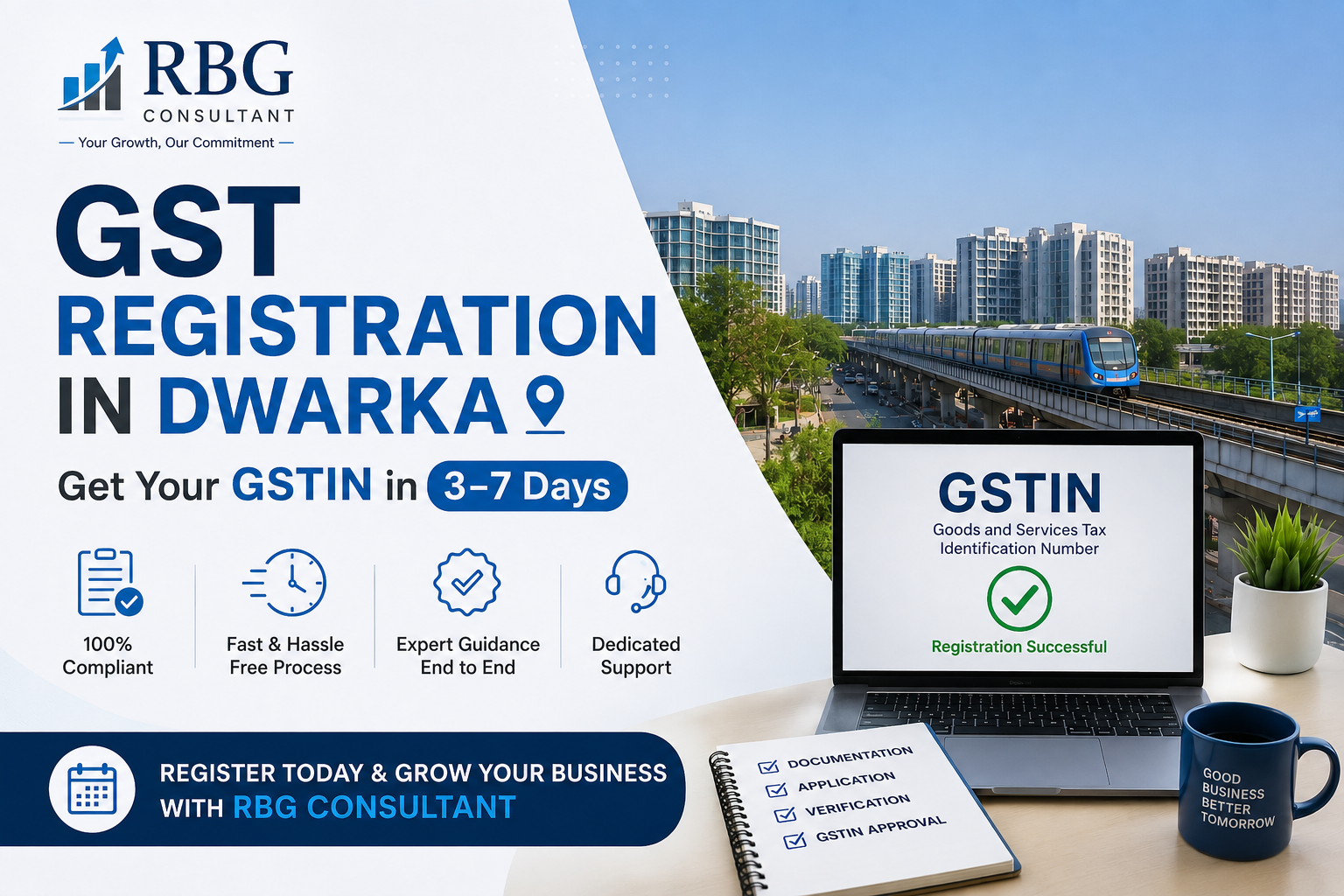
The Goods and Services Tax (GST) has transformed India's indirect tax system into a unified, transparent, and business-friendly regime. If you
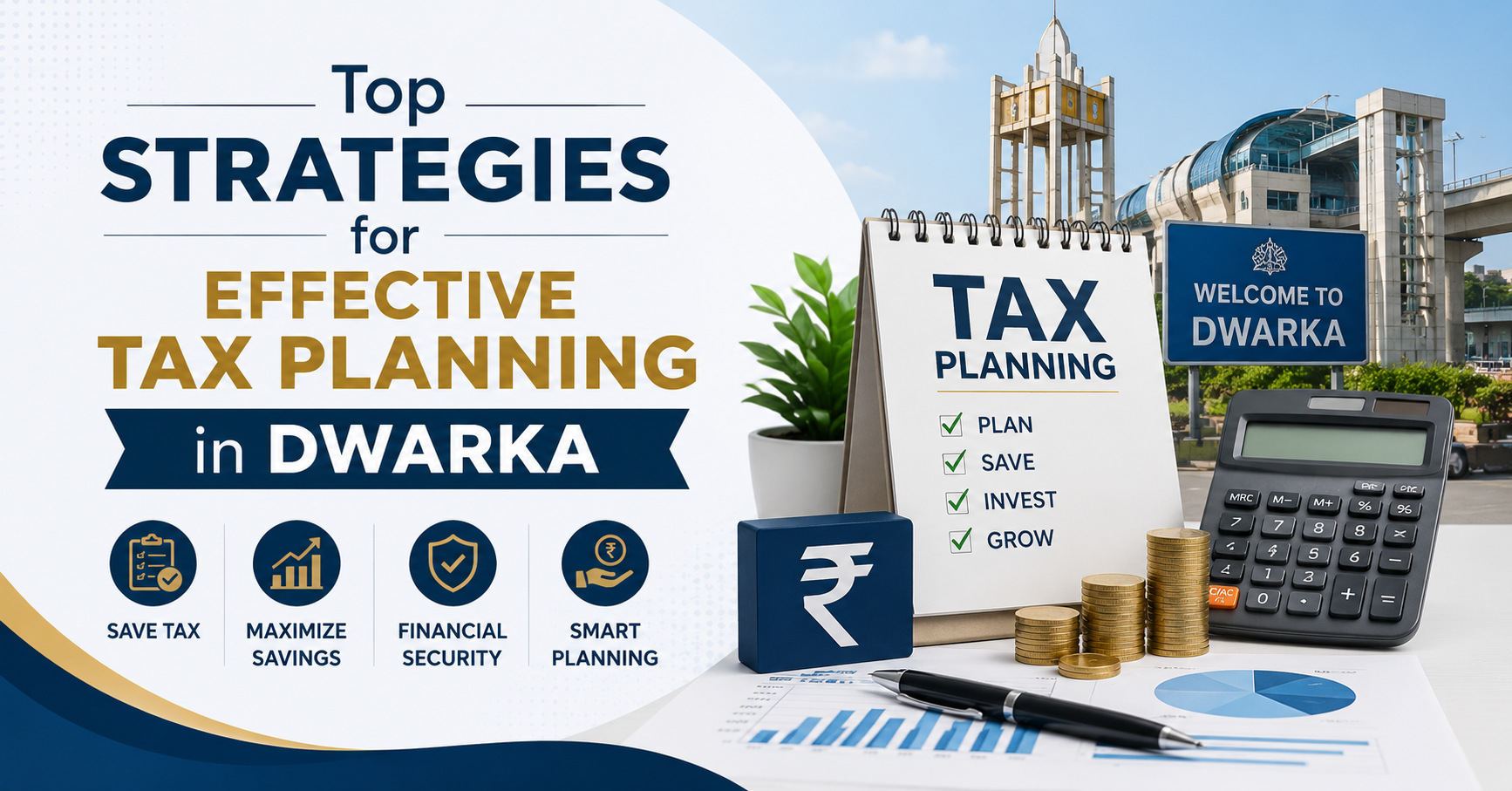
Effective tax planning is essential for individuals and businesses to reduce their tax liabilities and ensure that they are in compliance with tax

Finding a reliable Chartered Accountant (CA) in Dwarka, Delhi, can be a game-changer for your business and personal finances. Whether you are a sta
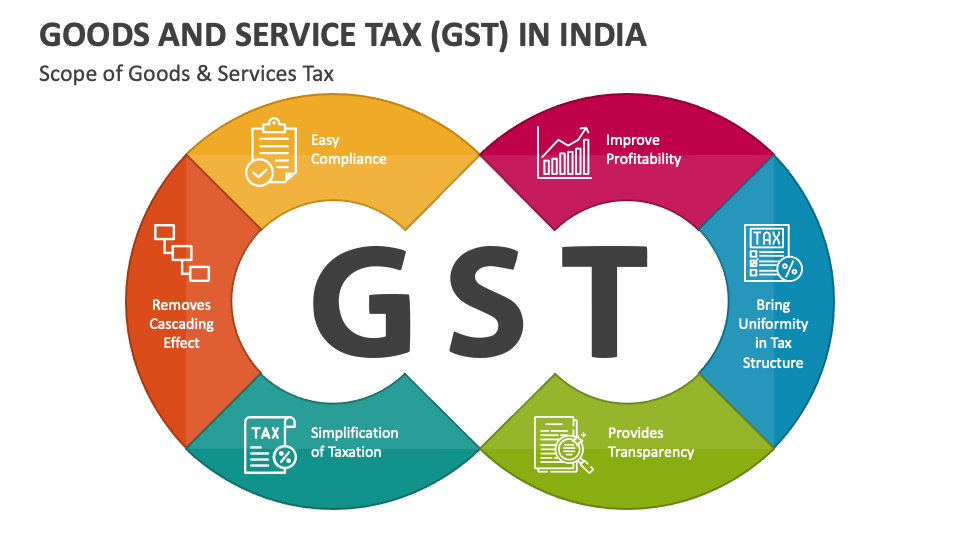
GST in India: Introduction, Law, and Taxation Goods and Services Tax (GST) is India’s unified indirect tax system that applies to the
Composition Scheme Small taxpayers with an annual turnover up to ₹50 lakhs can opt for the Composition Scheme. The
Goods and Services Tax, commonly known as GST, plays a major role in the tax compliance process for businesses in India. Filing GST returns correct
Starting a business in Dwarka? One of the first and most important steps is getting your GST Registration done. The Goods and Services Tax (GST) is
Filing your Income Tax Return (ITR) is an important financial responsibility. However, many individuals make small but crucial mistakes that can le
If you are looking for a reliable CA in Dwarka, Delhi, our team of experienced Chartered Accountants i

Gurgaon has become a startup hub, and with rapid business growth comes the need for reliable financial management. CA services in Gurgaon provide s
In today’s competitive business environment, hiring a CA in Gurgaon has become more than just a necessity—it is a growth strategy. Chartered ac
Since the introduction of Goods and Services Tax (GST), businesses across India have had to adapt to a new way of managing their tax responsibiliti
Managing taxes can feel overwhelming for many salaried professionals in Delhi. Every year, when the deadline for filing Income Tax Returns (ITR) ap

Any business organization that earns an annual gross revenue of more than 20 lakhs must apply for the GST registration process, as per the guidelin
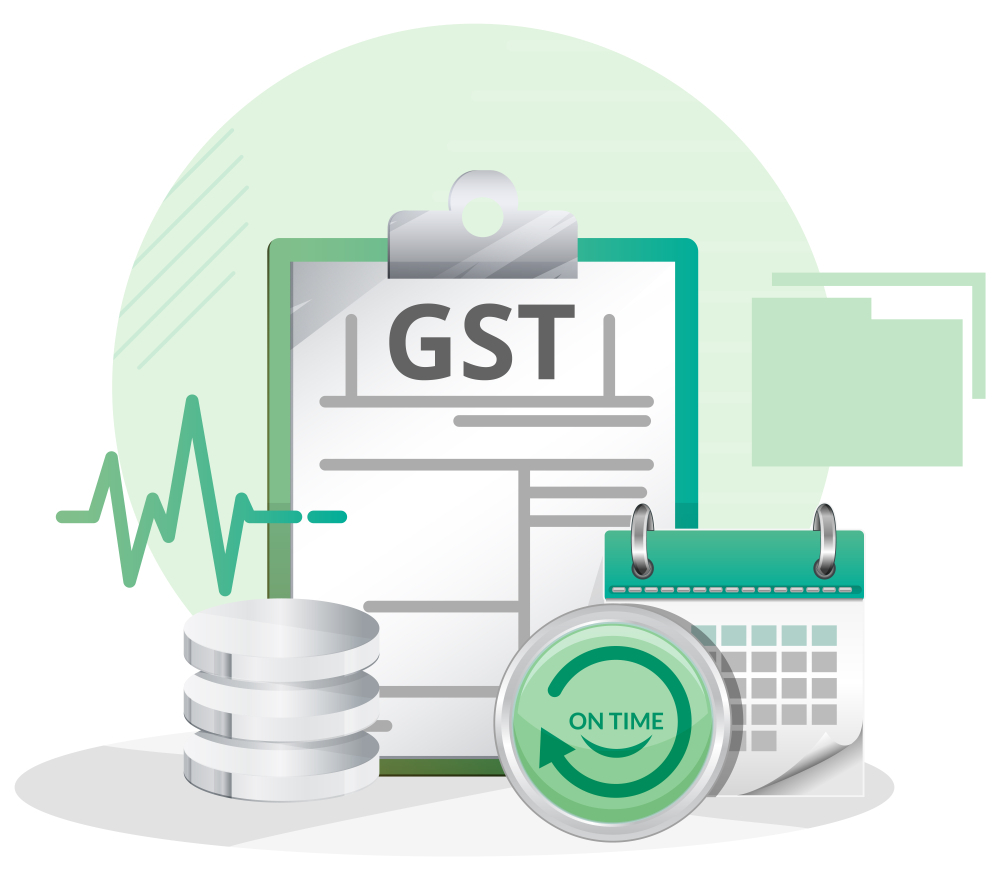
Whenever there are value related errors, Debit and Credit Notes come into the picture. Whether it is an upward revision or a downward revision in p

Government imposes a tax on the taxable income of all the persons who are Individual, HUF, Company, firms, LLP, AOP, BOI, Local Authority and any o

There are many types of supply but these 4 have similarities and differences too.Due to the similarities in names there is a lot of confusion and p
Before we proceed further, let us know What is GST? It is GOODS AND SERVICE TAX , it is Indirect tax levied on Goods and Services.

A Company is an artificial person created by Law and having a separate existence of its own.In simple Words, It is a legal entity formed by a group

It means Electronic Way Bill. Let us understand its meaning and its characteristics. It is the document required for Movement of G

Refund is a very important term under the GST for the person who

In this article we will learn about….. What is GST Returns? Who should file, Due Dates and Types of GST Returns.

ITR Filing in Dwarka, CA Near me, Best ITR Consultant in Dwarka, ITR in Dwarka , ITR Consultants in Dwarka, ITR Procedure in Dwarka,

Net worth certificate is a document which shows financial worth of an individual or company certified by a Chartered Accountants.

As per Finance Act 2013,Section 194IA, Any person purchasing property more than Rs50 lac than person has to deduct 1% tds on property value, this s


